


Opportunities for Luxury Hotels are Emerging in Indonesia
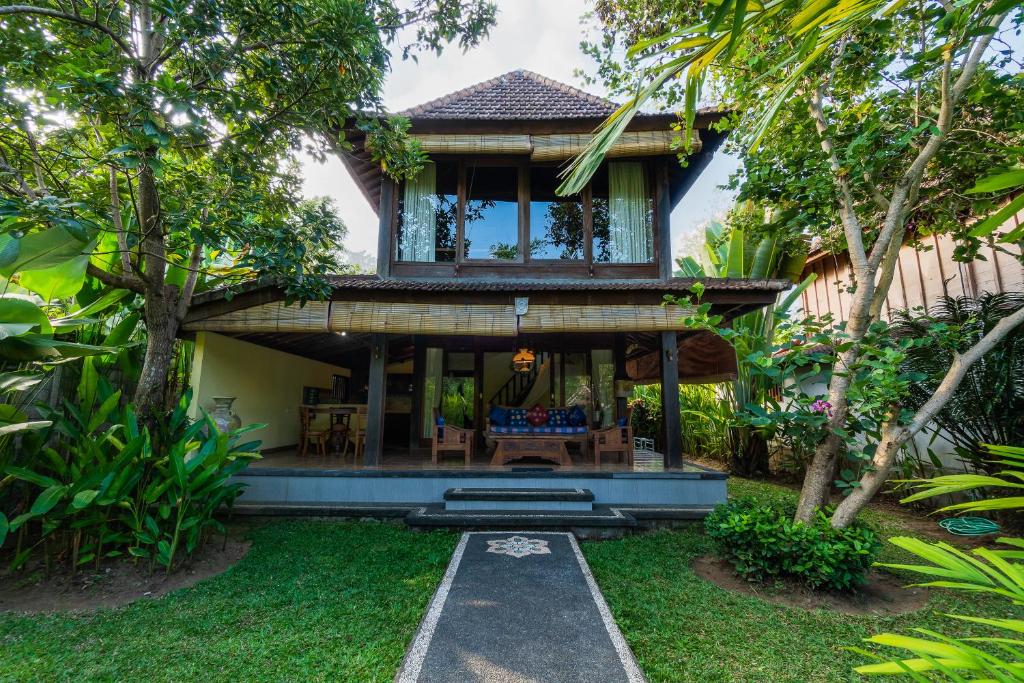
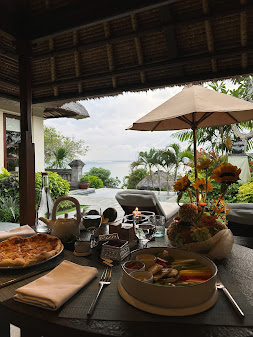
Historically known for the popularity of its tourist destination, Bali, Indonesia has entered a stage where its opportunities in hospitality industry have begun to evolve. Now, the country has seen the rising interest of investors and developers in luxury hotels in indonesia, particularly across several emerging markets. As mentioned by Jesper Palmqvist, Regional Vice President for Asia Pacific at STR, Indonesia is becoming more interesting for investments in luxury hotels. Appearing on recent episodes of Costar News Hotels podcast, Palmqvist pointed out that developers were spotting opportunities for launching their luxury hotel brands in several cities of Indonesia.
Although Bali has continued being among the world's most popular holiday destinations, there are other cities that have been making significant contribution to the growth of Indonesia as a tourism destination. In addition to that, Palmqvist explained that there has been very good growth in the rates of Indonesia's luxury hotels in recent years, which has resulted in greater profitability of these properties. An increase in average daily rates will help to keep hoteliers and investors looking for new opportunities for development within the hospitality industry in the country.
“Also, you can see some of the new luxury happening in Jakarta, too,” Palmqvist added. Meanwhile, Palmqvist highlighted that such fast-growing rates of luxury hotels may not last forever because, as the markets mature, they usually start showing some moderation. Nevertheless, confidence and the expansion mindset are expected to be quite prominent in the tourism and hospitality industry of Indonesia.
Speaking of the factors that contribute to the future success of Indonesia, Palmqvist pointed out that its entrepreneurial spirit and momentum of development play the key role. The blend of natural appeal, economic growth, and demand for luxury holidays is likely to attract more international hotel brands. Apart from Indonesia, Palmqvist touched on shifting trends in the hotel industry of Japan. Palmqvist indicated that there was gradual adaptation of Japan’s tourism industry to a new normal after some adjustments of international travel trends including reduction in Chinese tourists.
In spite of some loss of Chinese tourist demand, the hotel industry in Japan has been extremely resilient. However, the performance of the industry differs substantially in various regions depending on the number of international tourists they attract. Tokyo that continues to be very popular among Western travelers performs very well with high average daily rates. There has been high demand for premium hotels in Tokyo. On the contrary, some other western cities such as Osaka have not performed very well as a result of changes in their tourist profiles.
Tourists’ profile change has had an impact on the performance of hotels and also on the duration of stay. As stated by Palmqvist, Chinese tourists stay in Japan for a shorter period of time because of its closeness. Conversely, tourists from regions like the United States stay longer and are more interested in upscale and luxury hotel segments. This shows how the Asian-Pacific tourism market is undergoing changes. The increasing number of luxury hotel establishments in Indonesia and changing tourist pattern in Japan is a manifestation of a larger change within the hospitality industry. With the continuous growth and diversification of international travel, Indonesia is set to become one of Asia’s top places for future hotel investment.
Most Booked
Bali

Hotels in Ubud Bali
Ubud, located in the heart of Bali, is a destination known for its lush jungles,...
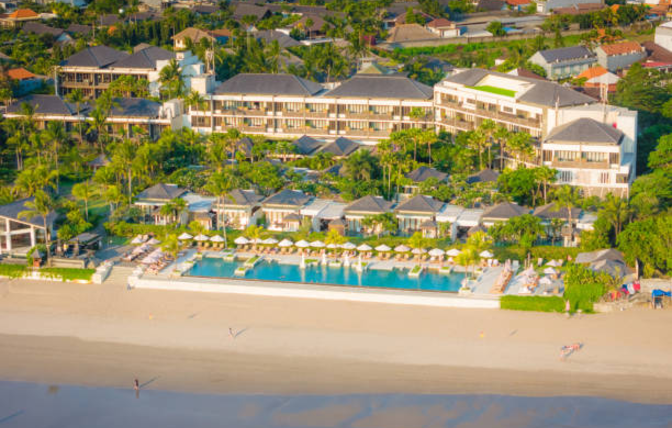
Top 10 best luxury resorts in bali
Bali is equated with tropical chic, where green rice terraces meet cobalt shores and limitless...