




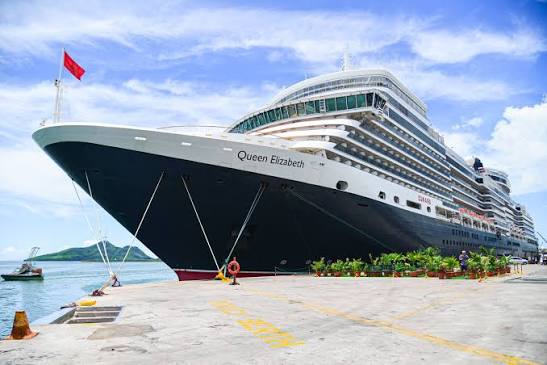
Seychelles
has wrapped up its 2025–2026 cruise season, and officials are calling it one of
the more encouraging years for the sector despite a rocky global backdrop. The
season officially closed on June 27 when the MV Viking Yi Dun pulled out of
Port Victoria, bringing the total count to 41 cruise ship calls for the year.
That's up from 35 the season before.
It wasn't
a smooth run, though. When the season opened back in October 2025, authorities
were expecting 47 scheduled calls. Geopolitical tensions ended up disrupting
itineraries across the globe, and Seychelles wasn't spared the final tally
landed at 41 instead. Still, that's growth compared to last year, and eight of
those calls were maiden visits, including a couple of cruise lines stopping in
Seychelles for the first time ever.
What's
more interesting than the numbers, though, is the direction the country is
heading in.
Fewer ships, but the "right" ones
Seychelles
is openly moving away from chasing volume. Rather than trying to squeeze in as
many port calls as possible, tourism officials have been prioritizing smaller
premium and expedition ships over the big mass-market cruise liners. It's a
deliberate bet: bring in fewer, higher-spending visitors whose presence doesn't
overwhelm the islands' beaches, reefs, and small communities.
This
isn't a one-off decision it fits into how Seychelles has been positioning its
tourism industry more broadly. Tourism is the backbone of the economy here, but
the country is also sitting on one of the most biodiverse island ecosystems on
the planet, and officials seem aware that protecting it and profiting from it
don't automatically go hand in hand.
The bigger plan: a strategy through 2033
Behind
this season's numbers is something more significant Seychelles' first-ever
dedicated Cruise Tourism Strategy, built with the United Nations Economic
Commission for Africa over roughly two years. It just went through stakeholder
validation and is now meant to guide how cruise tourism develops all the way
through 2033.
The financial
projections behind it are substantial. The plan estimates cruise tourism could
add around $531 million directly to GDP between 2026 and 2033. Factor in the
wider ripple effects across the economy, and that number climbs to about $1.25
billion. The projected return is roughly $3 back for every $1 invested.
But
there's a catch the strategy doesn't shy away from: a lot of cruise passenger
spending currently leaks straight out of the local economy through
foreign-owned tour operators, imported goods, and cruise lines' own booking
systems. Officials think trimming that leakage by even 10% could make a real
difference for local businesses.
To deal
with that, the plan pushes for a few things:
- Building up local supply
chains so more of the money spent by cruise passengers actually stays with
Seychellois businesses
- Getting more local guides,
drivers, and craft sellers plugged into the cruise tourism chain
- Upgrading port
infrastructure so Seychelles can keep up with modern ships
- Better environmental
monitoring so growth doesn't come at the expense of the islands themselves
What it'll cost
None of
this comes free. The strategy calls for roughly SCR 2.32 billion in investment
through 2033, spread across port upgrades, better facilities for passengers and
crew, waterfront improvements, and environmental safeguards. The funding itself
is expected to come from a mix of public money, private partnerships,
development partners, and contributions from the cruise industry.
Why it matters
For a
country this small, tourism isn't just one part of the economy it's most of it.
And because the environment is the product being sold, over-tourism isn't just
an inconvenience, it's a genuine risk to the thing that makes Seychelles worth
visiting in the first place. That's really the logic behind this shift: better
to bring in fewer, more careful visitors than to max out ship arrivals and deal
with the consequences later.
It's also
worth watching for what it signals to the rest of the region. As cruise lines
expand further into African waters, Seychelles' approach pairing hard economic
data with sustainability commitments could end up as a template other island
and coastal destinations look to when deciding how much cruise traffic is
actually worth having.
For now,
the takeaway from Seychelles' tourism department is fairly consistent: next
season won't be judged by how many ships show up, but by what kind of value
they bring with them.


