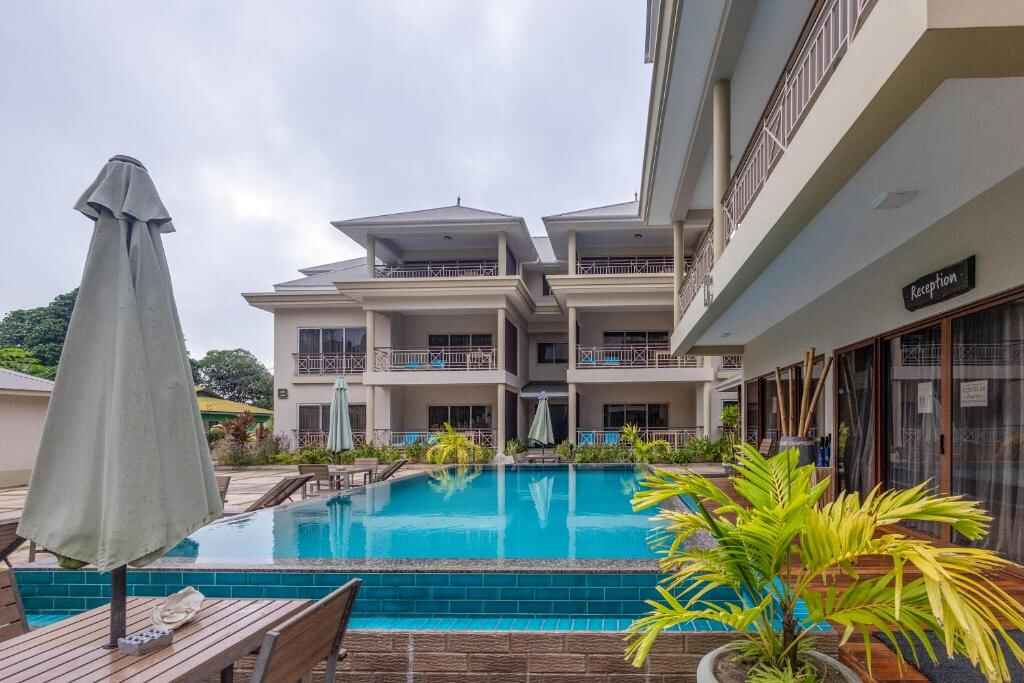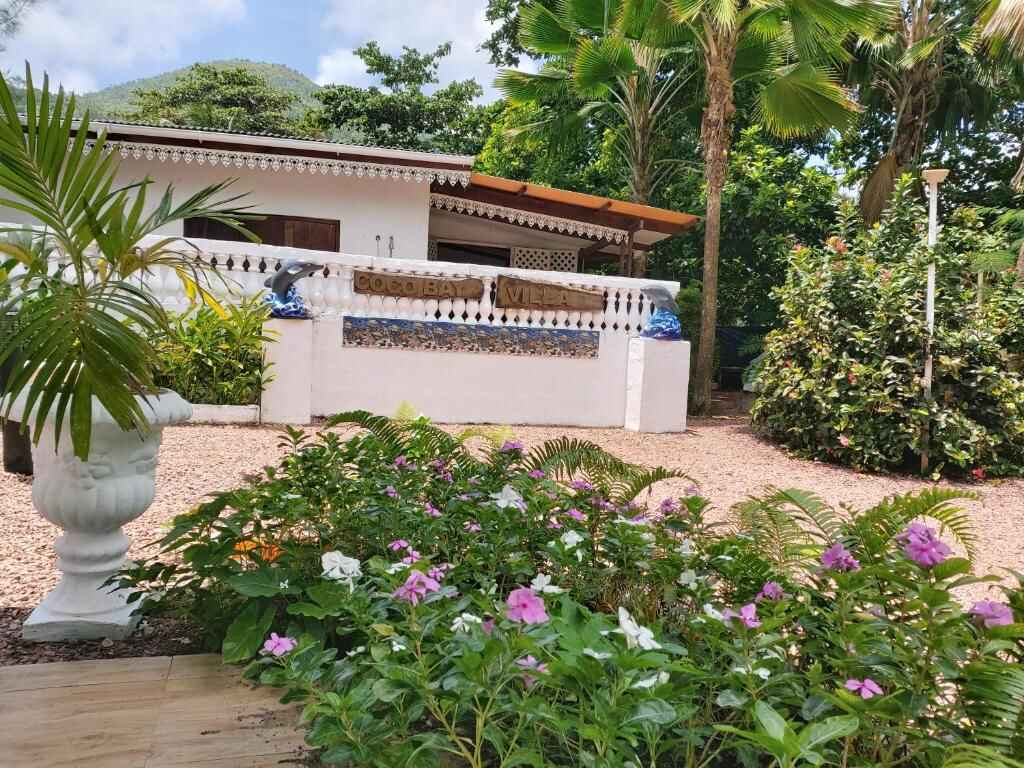



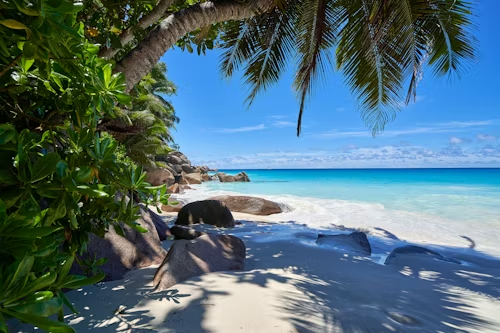
When people think of Seychelles, their minds tend to wander immediately to the white sandy beaches, the blue waters, and the resorts that seem like postcards come to life. And of course, North Mahe has all of that in abundance. But if you take a moment to pause, turn off the main road, or strike up a conversation with a local under the shade of a mango tree, you’ll soon come to realize that something much deeper is at play here. North Mahe is more than a holiday spot for sun-worshippers; it is a living, breathing storybook of culture, heritage, and people.
The North Mahe Seychelles Cultural and Heritage Trail is not a trail of signs and statues. Rather, it is a trail that meanders through villages, markets, churches, old houses, fishing spots, and other places. It is the kind of trail that you can feel with your senses—through the sound of Creole music drifting from a radio, the scent of simmering curry leaves, and the beat of waves that have been shaping the lives of people in this island paradise for centuries.
This trail encourages you to see Seychelles not as a tourist destination but as a cultural melting pot.
What makes North Mahe so unique is that culture and everyday life are seamlessly intertwined. There is no need for choreographed performances or manufactured experiences. Culture is embedded in the way people greet each other, the way they cook, and the way they share stories. Walking this cultural and heritage trail is more like being invited into a community that takes pride in where it comes from than it is to sightsee. And once you experience it, North Mahe will never be “just another tropical island” again.
Understanding the Cultural and Heritage Trail Concept
What Is a Cultural and Heritage Trail?
A cultural and heritage trail is not a route that you walk from point A to point B. It is more like a string that weaves together people, places, traditions, and memories. It is about recognizing how history has influenced a community and how that history is still alive today. In North Mahe, the trail is multi-layered—some layers are visible, while others are felt.
While in museums, history is preserved behind glass, a heritage trail is living history. It encompasses homes where families have lived for generations, churches where the bells ring every Sunday, and fishing grounds where the methods have remained unchanged for decades. You are not only learning history; you are witnessing history come alive in the present.
Why North Mahe Is Perfect for a Heritage Trail Experience
What makes North Mahe so special is the perfect blend that is hard to find. It is developed enough to be easily accessible, yet traditional enough to be authentic. The villages of Beau Vallon, Bel Ombre, and Anse Étoile retain their roots despite the growing tourism industry around them. This makes North Mahe the perfect destination for a heritage trail that is not forced or commercialized.
The geography of the region is also very helpful. You can easily travel from a fishing village to a hillside neighborhood, from a colonial church to a Creole house. Every destination is another piece of the puzzle that makes the journey so rich without being overwhelming.
How History, Nature, and Community Intersect
In North Mahe, culture is not something that happens in addition to nature, but is an integral part of it. The ocean sustains people. The forest is a source of medicine, of food, of spiritual values. History, nature, and society are intertwined to such an extent that it is difficult to speak of one without referring to the others. This is what makes this heritage trail so special—it reveals how people lived in harmony with nature and how nature influenced the people.
North Mahe: A Brief Historical Overview
Early Settlers and Colonial Influences
The history of North Mahe is much older than the creation of the modern state of Seychelles. The islands were uninhabited until the European discovery in the 16th century, and later in the 18th century by the French. North Mahé became an important site owing to its natural harbors, fertile land, and closeness to fishing spots.
The French colonists settled enslaved Africans in the land, and this is how the foundation of the modern Seychellois was laid. Later, the influence of British colonialism added a new dimension, particularly in the areas of politics, education, and religion. North Mahe remained a witness to all these events and thus created its own cultural identity.
African, European, and Asian Roots
What makes the heritage of North Mahe so interesting is the mix of influences. The heart of the culture is African, and this is reflected in music, dance, cuisine, and oral traditions. European influences are seen in architecture, religion, and language patterns. The Asian influences, particularly from India and China, add complexity in terms of cuisine, trade, and celebrations.
Instead of being disparate, these cultures have blended together to create something uniquely Seychellois. On the heritage trail, you do not see different cultures; you see a common culture.
How History Shaped Modern Seychellois Identity
The history of North Mahe was not always an easy one. There were the scars of slavery, colonialism, and economic struggles. However, these experiences have also contributed to the resilience and sense of community that the people of Mahe possess. Today, this history is a source of pride rather than pain for the people of Mahe. They know where they come from.
The Geographic and Cultural Landscape of North Mahé
Villages of North Mahe and Their Unique Character
Each village in North Mahe is like a different verse in the same song. Beau Vallon is alive with activity, where tourism and culture are inextricably linked. Bel Ombre is more subdued, more reflective, and very traditional. Anse Etoile finds a balance between development and its agricultural roots. This creates a rich cultural mosaic that is best appreciated in small doses.
The Role of Mountains, Forests, and the Sea
Mountains are more than just scenery in this culture of the island—they are an essential part of it. The forests provide herbs, fruits, and spirituality. The sea provides livelihood and nourishment.
How Geography Influenced Culture and Lifestyle
Isolation fostered independence. Limited land resources promoted sharing. The environment taught the community the importance of sustainability, a buzzword in the global world today, long before it became fashionable. In the North Mahe cultural heritage trail, the environment is not scenery it is a teacher.
Beau Vallon: Gateway to North Mahé’s Cultural Trail
From Fishing Village to Cultural Hub
Beau Vallon was not always a destination with beachside hotels and restaurants. It was a fishing village where families lived off the sea. Even now, if you’re up early enough, you can watch fishermen hauling in their nets just as their fathers and grandfathers did before them.
Local Life Beyond Tourism
Behind the tourist-facing businesses, local life goes on. Kids play football in open spaces. Neighbors exchange meals. Music wafts from homes in the evenings. The heritage trail here is about paying attention to what lies behind the postcard view.
Markets, Music, and Local Traditions
Local markets are more than just places to buy souvenirs. They are social hubs where stories are swapped, along with vegetables. Music—particularly Sega and Moutya—is ever-present, a conduit for the passing of centuries of emotion and expression.
Bel Ombre: A Living Heritage Village
Traditional Homes and Community Life
Bel Ombre is a place where time seems to pass differently. Wooden houses with verandas speak of the past and of the generations that lived there. The rhythm of life is based on the community, not on time.
Oral History and Storytelling Traditions
Stories are the pulse of Bel Ombre. The transmission of memories is done orally, not in books. Listening is a form of preservation.
Religion, Rituals, and Cultural Celebrations
Church meetings are also social gatherings. Rituals are the way of celebrating life events. Religion in Bel Ombre is more than just a belief; it is a way of life.
Anse Etoile: Where Past and Present Meet
Agricultural Roots and Plantation History
The history of Anse Etoile is associated with agriculture. The plantation zones of the past evoke the colonial period, while modern houses symbolize development and adaptation.
Traditional Farming Practices
Home gardens are still practiced. Individuals grow fruits, vegetables, and herbs, thereby maintaining agricultural knowledge.
Community Resilience and Cultural Pride
Anse Étoile has maintained its roots despite the changes
that have taken place. Community pride in their culture is seen through the way
people speak, celebrate, and transmit their culture to their children.
The Role of Creole Culture Along the Trail
Creole Language as Cultural Glue
Creole is more than a language; it is an identity. It is the voice that carries humor, wisdom, and history in every phrase.
Music, Dance, and Performance Traditions
Sega and Moutya are more than performances; they are releases of emotions and a history that beats through the rhythm.
Folklore, Proverbs, and Storytelling
Proverbs hold lessons. Folktales hold explanations of the world.
Seychellois Architecture in North Mahe
Colonial-Era Buildings and Creole Houses
Architecture is an adaptation, as seen in high ceilings,
broad verandas, and wooden architecture that is ideal for tropical living.
Materials, Design, and Climate Adaptation
Housing is designed to breathe, with natural materials that are in harmony with the environment.
Preserving Architectural Heritage
“Preservation is not about standing still; it is about respecting the past while moving forward.”
Sacred Sites and Spiritual Heritage
Churches, Chapels, and Community Faith
Religious sites are also cultural anchors that bring people together, independent of their religion.
Spiritual Practices
Blending Cultures
African spirituality, Christianity, and local beliefs blend cultures perfectly.
The Social Role of Religion in North Mahe
Religion helps to promote community and cultural ties.
Traditional Food Culture Along the Trail
Staple Ingredients and Cooking Techniques
• Fresh
fish
• Coconut
milk
• Breadfruit
• Spices
and herbs
Family Recipes Passed Through Generations
Recipes are memories. Cooking is storytelling.
Food as Cultural Identity
Every meal reflects history, environment, and family.
Nature as Living Heritage in North Mahé
Forests, Marine Life, and Ancestral Knowledge
Nature is respected, not exploited.
Traditional Fishing and Sustainability
Fishing practices demonstrate moderation, not extravagance.
Conservation as Cultural Expression
Conserving nature means conserving heritage.
Festivals and Cultural Events in North Mahé
Community Celebrations and National Holidays
Festivals are the living past.
Music, Dance, and Collective Memory
Celebration is commemoration.
The Role of Festivals in Preserving Heritage
Participation ensures continuation.
Conclusion: Why the North Mahe Cultural and Heritage Trail Matters
The North Mahe Seychelles Cultural and Heritage Trail is a reminder that paradise is not just about views—it’s about people, memory, and meaning. The trail encourages visitors to pause, listen, and connect. In this way, the trail converts travel into understanding and converts destinations into relationships.