


Tourism in Africa is not only about traveling and recreation anymore; it has evolved into a powerful economic tool. A handful of countries have succeeded in converting it into a lucrative source of income, employment, and stability. The countries of Morocco, Mauritius, Seychelles, Cape Verde, and Gambia can be cited as examples of those nations in which tourism is linked inextricably to economic growth, not just as a business opportunity.
What distinguishes these countries from others in the region is their successful use of tourism as a means of economic support. The evidence can be seen not only in the urban centers and plush tourist spots but also in the rural areas.
Real Numbers Behind Tourism Growth
The achievements of these countries can be supported with impressive figures:
Seychelles: More than 60% of the overall economy is contributed by tourism
Cabo Verde: 40% of the overall GDP is related to tourism and related industries
Mauritius: More than 20% of the overall economy is contributed by tourism when indirect industries are considered
Morocco: 7% of the overall GDP is contributed by tourism; 20 million tourists were recorded in the country recently
The Gambia: The overall impact of tourism is close to 20% of GDP; thousands of local jobs are supported through tourism
The figures clearly indicate that tourism is not a secondary business; it is the mainstay of these countries.
Morocco: High Growth and Cultural Significance
Morocco has witnessed high growth in its tourism sector. The country has recorded close to 20 million international visitors, thus becoming one of the most frequented tourist destinations in Africa.
Morocco has a unique blend of cultures, history, and modern facilities. The presence of cities like Marrakech and Fez has been a magnet for those seeking a real cultural experience. The presence of beaches and desert trips has added diversity to its tourism sector.
The country has invested heavily in its infrastructure, thus making it easier and more attractive for visitors. The benefits of tourism in Morocco also go beyond a handful of companies, as it involves many small business owners and individuals.
Mauritius: Balancing Growth through Intelligent Tourism
Mauritius has established itself as a high-class tourist destination. Although it has been accused of being a luxury tourist destination, it has managed to strike a balance.
Tourism in Mauritius has been a great source of foreign exchange and has provided jobs. Many citizens of Mauritius are employed in the tourism sector, both directly and indirectly in industries like transport, agriculture, and trade.
Mauritius has been able to maintain a balance between its environment and its tourism sector.
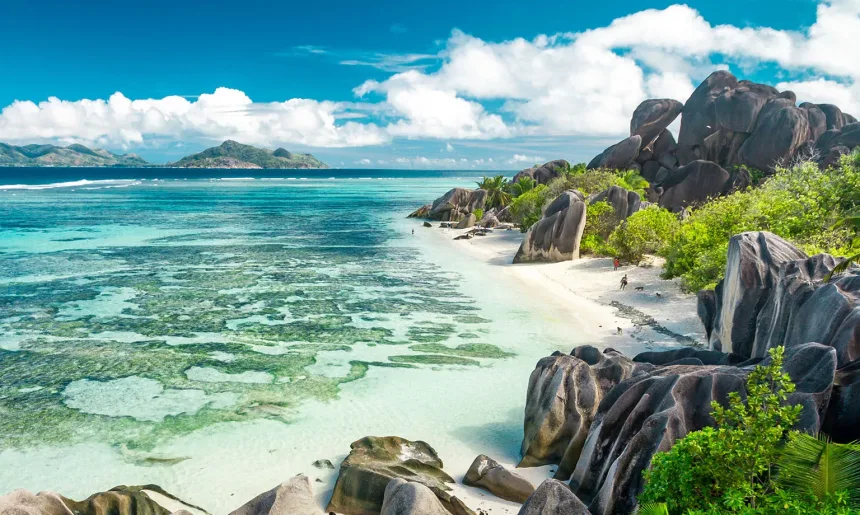
Seychelles: High Value, Low Impact Model
Seychelles has a different strategy from most mass tourism destinations. Their strategy is to attract a smaller number of tourists who will spend more.
This strategy has been quite successful. They have a large contribution of tourism to their overall economy. They also have a number of environmental regulations in place. This is important because it keeps their natural beauty preserved, ensuring that tourism will continue to thrive.
There is also a large amount of employment opportunities within the tourism sector.
Cabo Verde: Rapid Development of Tourism
Cabo Verde has been rapid in the development of their tourism sector. They have invested heavily in beach resorts that attract many tourists from around the world.
It has been quite successful for their country. It is estimated that 40% of their overall GDP is contributed by tourism. They have also been able to improve their overall infrastructure.
It has provided many of their citizens with a steady income through the many job opportunities created within the tourism sector.
The Gambia: Tourism at Community Level
Although The Gambia is a relatively small country, it has a big impact on the economy in terms of tourism. The country has a lot to offer in terms of tourism, with tourists being attracted to the country by the coastline, wildlife, and cultural activities.
Unlike some countries where the economy is controlled by a few big companies, in The Gambia, the economy is supported by the local community. The local community, which consists of small hotels, tour guides, vendors, and transporters, relies on the economy.
Therefore, this shows that the economy is important to the local community.
Employment and Everyday Impact
One of the most important contributions of tourism is the creation of employment. Thousands of people in these countries rely on tourism.
Jobs are created in the following sectors:
Hotels and guesthouses
Transportation
Food and hospitality industry
Tour operations
Handicrafts and local markets
Tourism has a positive impact on people in the country, including farmers, fishermen, and suppliers.
Challenges That Still Exist
Despite the growth of these countries, there are a few challenges that still exist:
Over-reliance of tourism in some of these countries
Environmental degradation of their natural resources
Global threats such as economic slowdown or travel restrictions
All these challenges need to be planned for, especially when tourism is such a large part of their economies.
Final Thoughts
The countries of Morocco, Mauritius, Seychelles, Cabo Verde, and Gambia are examples of what is achievable when tourism is properly managed. Each of these countries has managed to implement their own unique strategy to achieve the common goal of ensuring that their economies continue to grow.
The tourism sector of these countries is not just for the purpose of generating income from tourists. It is for the development of a system that will enable tourism to contribute to their economies at every level.
It is likely that these five countries will continue to be at the forefront of Africa as the tourism sector continues to expand.