



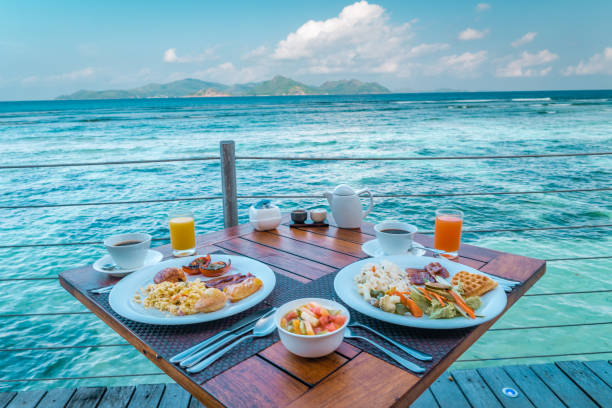
Located in the heart of the Indian Sea, the beautiful islands of Seychelles are popular for their blue waters and perfect shorelines
of white sand, but there is much more to the islands than their breathtaking
scenes. The food of Seychelles is a interesting mix of Creole, African, French,
Indian, and indeed Chinese food, which has been affected by the long history of
movement and social combination that the islands have experienced.
The Cultural Roots of Seychellois Cuisine
Seychelles has no local tenants, and the culture is a result
of pilgrims who came from Africa, Europe, and Asia. The culture was molded by
oppressed Africans, French colonizers, Indian dealers, and afterward Chinese
migrants, who all affected the cuisine of the islands.
The center of this combination is Creole food, which
consolidates African strategies of cooking, French advancement in food, and
Indian flavors. The food is a reflection of the island way of life, which is
characterized by straightforward and delightful nourishment made from new
ingredients.
The Foundation: Fresh Seafood and Local Produce
Living in a coastal region, fish is a enormous portion of
Seychellois food. Angle like fish, ruddy snapper, and grouper are common
passage on most menus. Octopus, crab, lobster, and shrimp are too popular.
Some of the common fixings utilized in Seychellois cuisine
are:
Coconut items (drain,
oil, and ground meat)
Breadfruit
Cassava
Sweet potatoes
Green papaya
Chillies and nearby
spices
Coconut drain is a staple fixing and includes a part of flavor to most curries and stews.
Signature Dishes of Seychelles
1. Barbecued Angle with Creole Sauce
Fresh sea-caught angle is marinated in lime juice, garlic,
and herbs, and at that point flame broiled on charcoal. It is regularly served
with a Creole sauce of tomatoes, onions, ginger, garlic, and chilli.
2. Octopus Curry
A favorite island dish, octopus is cooked in coconut drain
with turmeric, curry takes off, and flavors, to make a delicate and delightful
dish of Indian origin.
3. Ladob
A conventional dish, which can be either savory or sweet.
The savory one is made of salted angle and plantains cooked in coconut drain.
The sweet one is made with ready plantains or sweet potatoes cooked in coconut
drain, vanilla, and nutmeg.
4. Breadfruit Chips
Breadfruit is cut lean and fricasseed until fresh,
frequently served as a nibble or side dish.
5. Shark Chutney
A extraordinary island dish, which is a mix of bubbled and
pounded shark meat flavored with lime, turmeric, onions, and bilimbi (a acrid
natural product), which has solid African and Creole influences.
The French Influence
The French colonists have had a noteworthy affect on the
cuisine of Seychelles. Cooking methods such as braising, sauce arrangement, and
preparing are of French root. Baguettes, baked goods, and sweets are accessible
in the neighborhood pastry kitchens. Indeed the Creole dialect talked in
Seychelles has French origins.
Elegant introduction and the utilize of herbs such as thyme
and parsley are of French cuisine with tropical twists.
The African and Indian Influence
The African impact presented stews, root vegetables, and hot
strategies of cuisine. The Indian dealers presented curry powders, masalas, and
rice-based formulas, which are presently an basic portion of Seychellois
cuisine.
The curries in Seychelles are not exceptionally zesty
compared to the Indian curry but have a solid coconut flavor. Rice is by and
large served with most meat dishes.
Street Food and Local Markets
People need to visit local markets for them to experience
the authentic flavors of Seychelles' food culture. The lively market
environment presents customers with fresh seafood and tropical produce, spices,
and ready-to-eat Creole meals.
Street vendors in Victoria which serves as the capital city
offer their customers samosas and grilled meats, fried fish, and freshly squeezed
fruit beverages. These basic and budget-friendly meals show the typical tastes
which people experience on their island stays.
Tropical Fruits and Sweet Delights
Seychelles benefits from an abundance of tropical fruits
which include mangoes, papayas, bananas, pineapples, and passion fruit. People
consume these fruits as fresh produce or they use them to produce fruit
beverages and sweet treats.
The local population shows a special love for coconut-based
desserts which vanilla flavoring from local farms enhances in traditional sweet
dishes.
A Sustainable and Fresh Approach
Seychellois cuisine stands out because it uses fresh
ingredients as its main requirement. The menu features seafood caught from
local waters together with produce that arrives fresh during its natural
growing season. People who want to eat fresh food without major processing
choose to cultivate their own herbs and vegetables at home.
Local chefs now view sustainability as a vital element which
they use to defend the fragile island environment. They do this through their
responsible fishing techniques and their support of local agriculture.
A Culinary Experience Like No Other
The culinary experience of Seychelles is more than just a
meal; it is a story of migration, adaptation, and resilience. The Creole
warmth, African richness, French sophistication, and Indian flair all come
together to create a culinary experience that is both comforting and exotic.
Whether it is the fish on the grill on the beach or the coconut curry in a local home, every meal in Seychelles is a taste of paradise.